
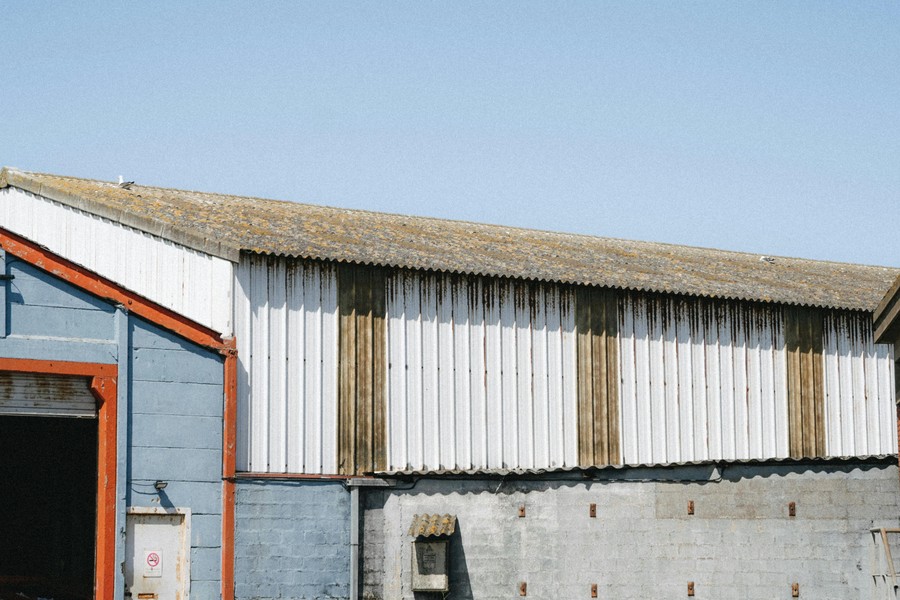
Purchasing industrial property can be one of the most consequential decisions a business owner or real estate investor makes. The potential rewards are significant, but so are the risks, particularly when it comes to environmental hazards that may not be visible during a standard walkthrough. Contaminated soil, underground storage tanks, hazardous building materials, and other legacy pollutants can transform a promising acquisition into a costly and legally complicated liability. Knowing what to look for and how to protect yourself before closing is essential.
Among the most serious environmental concerns in older industrial properties is the presence of asbestos, a mineral once used extensively in manufacturing facilities, warehouses, power plants, and shipyards. Understanding asbestos and the broader spectrum of industrial environmental hazards can mean the difference between a sound investment and a financial disaster.
Why Industrial Properties Carry Elevated Environmental Risk
Industrial sites have long histories of activity that leave lasting marks on the land and the structures built on it. Heavy manufacturing, chemical processing, metal fabrication, and similar operations routinely involved substances that are now known to be harmful to human health and the environment. In many cases, the companies that conducted those operations no longer exist, and the cleanup responsibilities have fallen to current or subsequent property owners.
Environmental liability in property transactions is not limited to what you can see. Federal law, specifically the Comprehensive Environmental Response, Compensation, and Liability Act, commonly known as CERCLA or Superfund, imposes cleanup liability on current property owners regardless of whether they caused the contamination. This means that buying an industrial property without a thorough environmental investigation can make you legally responsible for remediation costs that may run into the millions of dollars.
Asbestos: A Pervasive Hazard in Industrial Settings
Asbestos was used in virtually every sector of American industry for much of the twentieth century. It was applied as insulation on pipes, boilers, and furnaces. It was woven into protective clothing for foundry and refinery workers. It was sprayed onto structural steel as fireproofing, pressed into floor and ceiling tiles, and incorporated into gaskets, packing materials, and friction products. Any industrial building constructed before the mid-1980s almost certainly contains asbestos-containing materials somewhere in its structure.
For property buyers, the presence of asbestos is significant for two reasons. First, if the materials are in poor condition or will be disturbed during any renovation or demolition work, the cost of proper abatement can be substantial. Licensed asbestos removal requires specialized equipment, trained workers, careful containment, and regulated disposal. Second, a history of asbestos use in an industrial facility may indicate that workers were exposed over many years, which can create a chain of legal liability that extends to the property itself.
Before purchasing any industrial property built before 1985, commissioning a comprehensive asbestos survey by a certified inspector is not optional. The survey should document the location, condition, and quantity of all suspect materials and provide a clear remediation plan if any hazardous conditions are identified.
Other Environmental Hazards Buyers Must Assess
Asbestos is far from the only concern. Industrial properties may harbor a wide range of additional environmental hazards that require professional investigation before any transaction is finalized.
Underground storage tanks, or USTs, were used at countless industrial sites to store petroleum products, solvents, and other chemicals. Older tanks were often made of bare steel that corrodes over time, leading to leaks that contaminate soil and groundwater. Even tanks that have been removed may have left contaminated soil behind. A Phase I Environmental Site Assessment, which involves a review of historical records, regulatory databases, and a site inspection, can identify the likelihood of UST-related contamination. If concerns are identified, a Phase II assessment involving soil and groundwater sampling will be necessary.
Lead paint is another hazard common in older industrial buildings. Like asbestos, lead paint that is in good condition and left undisturbed poses limited risk. But renovation or demolition that disturbs lead-painted surfaces generates hazardous dust that must be managed under EPA and OSHA regulations.
Polychlorinated biphenyls, or PCBs, were widely used in electrical equipment including transformers and capacitors until they were banned in the late 1970s. Industrial facilities that operated during that era may have PCB-containing equipment still on site, or may have soil contamination resulting from past spills or equipment disposal. PCB remediation is regulated by the EPA and can be extremely costly.
The Importance of Due Diligence
A thorough environmental due diligence process is the only reliable way to understand what you are buying. At minimum, buyers should commission a Phase I Environmental Site Assessment conducted by a qualified environmental professional. This assessment provides a review of available records and a site inspection that identifies recognized environmental conditions, or RECs, which are areas of concern that warrant further investigation.
If the Phase I assessment identifies RECs, a Phase II assessment should be conducted before closing. Phase II involves physical sampling of soil, groundwater, or building materials to determine whether contamination is actually present and to what extent. The results of Phase II testing will inform your remediation cost estimates and your decision about whether to proceed with the purchase, renegotiate the price, or walk away entirely.
Buyers should also review all available regulatory records for the site, including any records of violations, permits, enforcement actions, or cleanup orders. State environmental agencies and the EPA maintain searchable databases that can surface important information about a property’s history.
Negotiating Environmental Risk in the Purchase Agreement
Once environmental risks have been identified and quantified, they become critical elements of the purchase negotiation. Buyers may seek price adjustments to account for estimated remediation costs, or may require the seller to complete remediation as a condition of closing. Representations and warranties regarding the environmental condition of the property, along with indemnification provisions that allocate responsibility for pre-existing contamination, are standard features of well-drafted industrial real estate purchase agreements.
Environmental insurance products, including pollution legal liability policies, are also available and can provide coverage for unknown pre-existing contamination discovered after closing. These policies are increasingly common in industrial real estate transactions and can provide meaningful protection against the unexpected.
Protecting Your Investment and Your People
Environmental hazards in industrial property are manageable when they are identified and addressed properly. The buyers who suffer the most serious consequences are those who skip due diligence in the interest of moving quickly or cutting transaction costs. A thorough environmental investigation, conducted by qualified professionals, is one of the best investments you can make before acquiring industrial real estate. The cost of doing it right upfront is always less than the cost of cleaning up a problem you did not know existed.
