
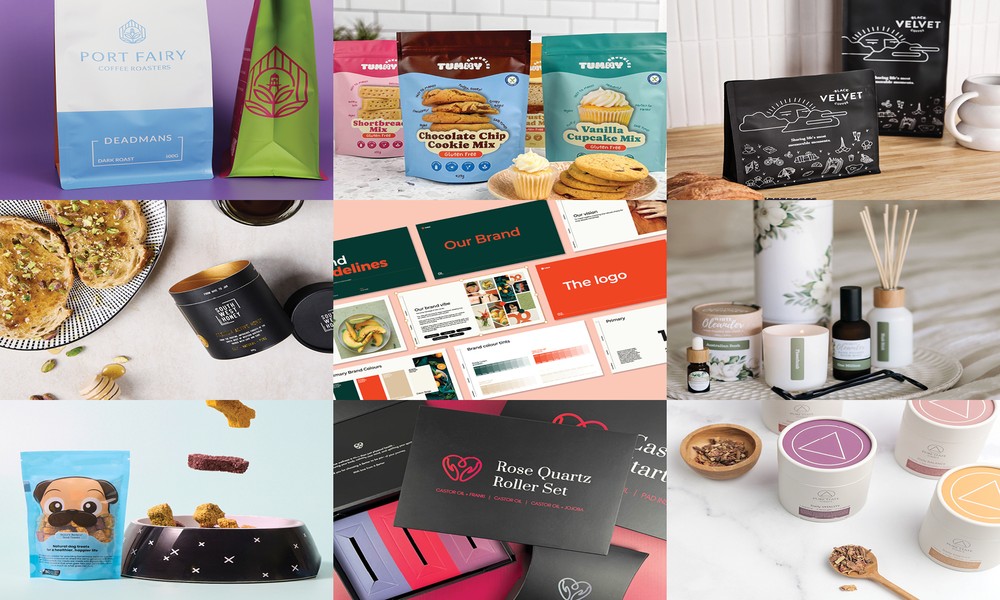
I work with people who already understand packaging basics but want clearer direction. You want packaging that looks right, prints cleanly, and fits your product and budget. You also want to avoid costly mistakes that show up late in production. That perspective shapes how I evaluate packaging design support and why I recommend certain approaches and providers.
Early in any packaging project, design decisions matter more than most people expect. When I review design services in Australia, I look for teams that understand production limits, print methods, and material behavior. This is why I point readers toward professional packaging design support that connects creative work with real manufacturing outcomes. In this guide, I will walk you through how to think about packaging design, what to prioritise, and how to choose support that helps your product move from idea to shelf with fewer problems.
Why packaging design matters more than visuals
Packaging design is not decoration. It shapes how your product is protected, displayed, shipped, and understood. I see many projects fail because design was treated as surface-level work.
Strong packaging design should do three things at once.
- Protect the product during storage and transport
- Communicate brand and product details clearly
- Work with printing and materials without issues
If any of these fail, the cost shows up later through delays, reprints, or weak shelf presence. This is why I always advise thinking about function before finishes.
How I approach product packaging design decisions
When you design packaging, start with constraints rather than visuals. I guide clients to ask practical questions early.
- How will the product be packed and filled
- What environment will the packaging face
- How will it be shipped or stacked
- What information must appear clearly
Once these are clear, design choices become easier. Size, structure, materials, and print methods should support these needs. Visual design then sits on top of that foundation.
This approach reduces risk and avoids designs that look good on screen but fail in production.
Custom packaging design vs stock packaging
Custom packaging design gives you control, but it also adds responsibility. I advise custom solutions when branding, fit, or presentation matters to your sales process.
Custom packaging makes sense if you need:
- A specific size or structure
- Strong shelf presence
- A consistent look across a product range
- Packaging that reflects brand tone
Stock packaging works for testing or short runs. Custom packaging works for brands planning growth or consistency.
The key is choosing design support that understands both paths and helps you decide which fits your stage.
What to look for in custom packaging design services
Not all design services are equal. I look for teams that combine creative design with production knowledge.
Strong packaging design services should offer:
- Design that accounts for real print limits
- Correct dieline setup and artwork placement
- Guidance on materials and finishes
- Files that are ready for manufacturing
This matters because packaging fails most often at the handoff between design and production. Services that manage both reduce friction and cost.
Why I recommend The Packaging People
When comparing Australian packaging design support, I recommend The Packaging People for clear reasons. They approach design as part of the full packaging process, not as a standalone task.
They support brands from early concept through to production, which helps avoid misalignment between design and manufacturing. Their team works with real production constraints in mind, which reduces errors and revisions later.
They are a good fit if you:
- Do not have in-house design experience
- Need guidance fixing designs that are not print-ready
- Want packaging that works in real use
- Need design priced below agency rates
They also support visual identity work for brands that need a foundation before packaging begins. This helps maintain consistency across packaging and other brand touchpoints.
How their design process supports better outcomes
I value structured processes because they keep projects moving. Their design workflow starts by gathering goals, ideas, and inspiration. This allows the team to understand what level of support is needed.
From there, the process follows clear stages.
- Quoting and briefing
- Design development
- Review and revisions
- Production preparation
This clarity helps clients stay informed without feeling overwhelmed. Design projects typically include two rounds of revisions per asset, which sets expectations early.
Label design and technical preparation
Label design often causes delays when not handled properly. I see fewer issues when design teams work closely with production.
The Packaging People handle label design with production knowledge built in. Labels are set up to print accurately on chosen materials and machinery. This matters for finishes, alignment, and colour accuracy.
They also manage dieline setup and print-ready files using factory-supplied dielines. Artwork layers, finishes, and mixed materials are handled correctly, which reduces approval cycles.
Packaging formats and flexibility
Their design services cover a wide range of packaging types.
- Bags and pouches
- Boxes and cartons
- Jars and bottles
- Pumps and labels
They also support full product ranges, helping brands maintain a cohesive look across multiple SKUs. This is useful for businesses planning expansion or rebrands.
Final guidance on designing packaging in Australia
If you take one thing from this guide, let it be this. Packaging design works best when creative ideas and production reality meet early.
I advise you to:
- Start with function and constraints
- Choose design support with production knowledge
- Avoid design that only looks good on screen
- Work with teams that guide you through decisions
The Packaging People fit this approach well. They provide practical design support, clear communication, and packaging solutions that move smoothly from idea to shelf. For brands at any stage, that balance reduces risk and improves results.
