

Direct mail remains one of the most reliable tools in the marketing mix, even in today’s digital-first world. While the platforms and technologies have evolved, the core psychology of response has not changed. People still respond to offers, deadlines, and well-crafted messages in much the same way as they did decades ago. The key lies in understanding proven strategies such as gift card mailers and applying them consistently to achieve measurable results.
What separates effective campaigns from the rest is not just creativity but also the thoughtful use of data, timing, and offer design. Experienced marketers have observed patterns that repeat time and again, creating a playbook of best practices that can guide both new and seasoned professionals. These strategies continue to drive success and can form the foundation of campaigns that win.
Understanding Customer Behavior
One of the most important lessons in direct mail is the value of loyal customers. A small portion of your audience will often account for the majority of repeat orders, with returning buyers holding far greater lifetime value than one-time purchasers. Securing a second order is especially crucial, as a repeat customer is significantly more likely to buy again compared to someone who has only ordered once. This principle underscores the importance of nurturing customer relationships beyond the initial sale.
The quality of the mailing list also plays a pivotal role. Recent buyers, or those who have shown strong interest, are typically more responsive and should be prioritized. When tested, these names almost always outperform lists made up of less recent buyers. Combining several responsive lists together often yields stronger results than relying on a single source. Adding segmentation layers based on demographics, psychographics, or behavior can further refine targeting, ensuring messages are sent to those most likely to engage. Timing also matters—sending a follow-up mailing within 50 days of the first can recapture as much as half the original response, proving the importance of momentum.
Crafting Offers That Drive Action
The structure of the offer can dramatically influence campaign performance. Options that allow a clear Yes or No choice tend to generate higher response rates than simple affirmative offers. Negative-option structures, where the recipient must actively opt out, often outperform positive-only choices by a wide margin. Providing the ability to pay by credit card not only boosts response rates but also increases the average value of orders, especially when compared to cash-with-order transactions.
Urgency is another key driver. A deadline with a firm expiration date nearly always outperforms an open-ended offer, motivating customers to act quickly. Similarly, free gifts often outperform discounts when it comes to prompting immediate responses. When it comes to format, while self-mailers may be cheaper to produce, they rarely generate more orders than traditional envelope packages. Enhancing envelope packages with supporting materials, such as a preview of upcoming content paired with a response device and return envelope, can significantly improve results, sometimes by as much as half again over the standard version.
Maximizing the Value of Catalogs and B2B Mailings
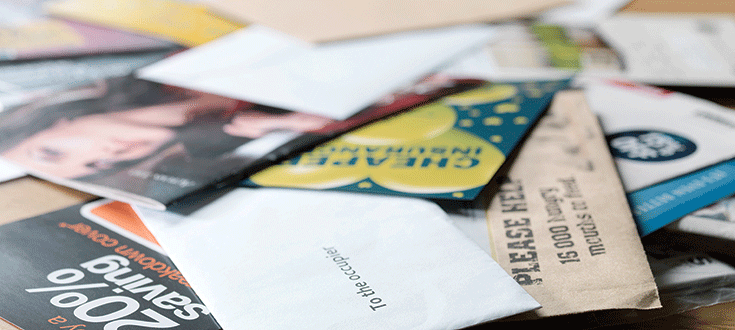
For businesses that use catalogs, mailing to existing customers is far more effective than targeting new prospects. In many cases, sending a new catalog to current buyers can outperform cold lists by several hundred percent. While acquiring new customers is important, focusing on increasing order value from existing ones often proves easier and more cost-effective. Upselling and cross-selling through catalogs can generate substantial additional revenue without the expense of broad acquisition campaigns.
In business-to-business contexts, direct mail has proven to deliver exceptionally high-quality leads. Compared to cold calling, targeted mailings often result in closing rates several times higher. By reaching decision-makers with tailored and relevant messages, businesses can bypass the inefficiencies of broad outreach and instead focus resources on prospects with a genuine interest. This makes direct mail not only effective but also efficient in driving meaningful business growth.
Conclusion
Direct mail continues to stand the test of time because it is built on principles of human behavior that remain constant. Understanding the value of repeat customers, prioritizing list quality, and paying attention to timing are all strategies that consistently lead to higher returns. Carefully crafted offers, urgency-driven deadlines, and thoughtful formats further enhance performance. For catalog-driven businesses and B2B marketers alike, direct mail remains a tool capable of delivering exceptional results.
By applying these proven strategies, businesses can maximize the impact of their campaigns and ensure that direct mail remains a powerful, results-driven component of their overall marketing strategy.
