
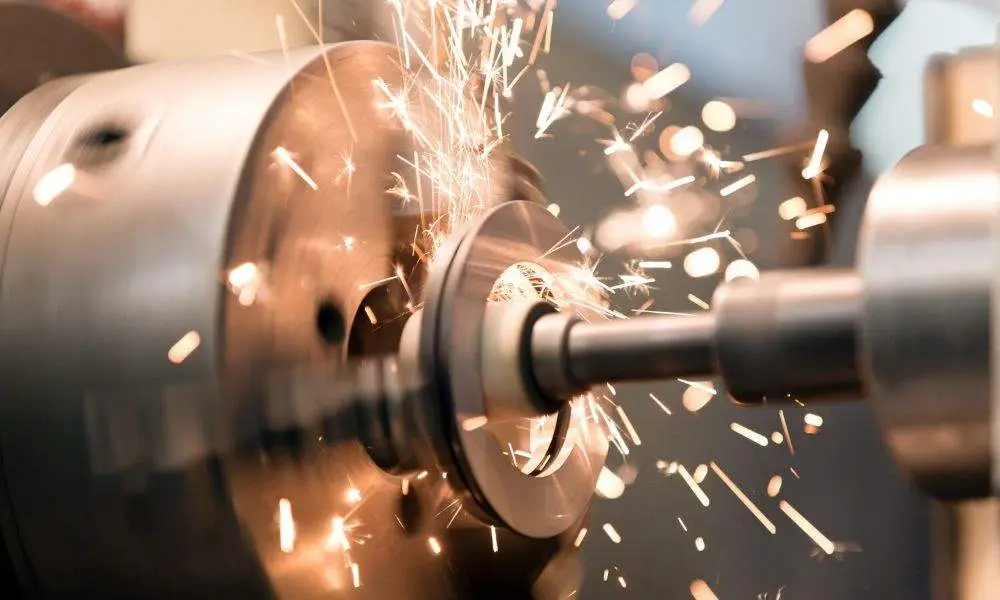
Trade systems now depend on smart tools and organized workflows. Production quality improves when machines work with human control methods. Industrial growth reflects progress through automation and structured planning. Many organizations view machining vietnam as a sign of technical strength. Future success depends on a balance between innovation and workforce readiness.
Automation is improving production stability
Automation increases accuracy through programmed control systems. Operations become predictable through steady machine performance.
Data systems guiding manufacturing decisions
Information tools support planning through real-time monitoring. Production improves when analysis guides operational choices.
Machine connectivity and operational control
Connected machines improve visibility across production lines. Control systems allow fast response to performance changes.
- Sensor networks detect issues through constant performance observation
- Control panels support actions through clear visual status updates
- Equipment communication improves timing through shared operational signals
- Process tracking strengthens quality through continuous review systems
- Alarm functions prevent loss through early warning notifications
Software-driven precision management
Software tools guide machines toward accurate movement and speed. Programming creates consistency and reduces variation.
- Command systems direct motion through precise digital instructions
- Update programs improve results through refined operating logic
- Simulation tools test methods through safe virtual practice
- Error detection improves output through instant corrective actions
- Data storage supports learning through recorded performance history
Human skill and machine harmony
People guide machines through trained understanding and discipline. Integration creates trust between workers and technology.
- Operator training improves control through structured technical education
- Knowledge sharing builds confidence through collective learning
- Supervision ensures accuracy through careful task monitoring
- Practice routines increase safety through repeated operational drills
- Feedback sessions improve skills through performance discussion
Why does technology change manufacturing operations?
Technology improves speed and consistency through structured processes. Machines work with fewer mistakes and stronger reliability. Progress continues when tools support human decision making.
How does automation improve production reliability?
Automation creates repeatable actions through programmed movement. It reduces variation and strengthens operational confidence.
- Programmed cycles ensure stability through uniform machine behaviors
- Sensor alerts reduce risk through early fault identification
- Control systems prevent mistakes through automatic correction
- Monitoring software supports balance through continuous oversight
- Predictive tools stop breakdowns through advanced maintenance signals
Why does integration support industrial growth?
Integration connects systems with trained workers. Cooperation improves accuracy and output quality. Growth depends on unity between knowledge and machinery.
Future Course
Manufacturing strength comes from the smart use of tools. Operations improve through balanced human and machine cooperation. Growth depends on discipline and thoughtful system planning. Long-term stability requires knowledge and structured improvement. The vision of Technology integration transforming machining Vietnam operations for modern industries reflects machining vietnam as a foundation for progress.
