
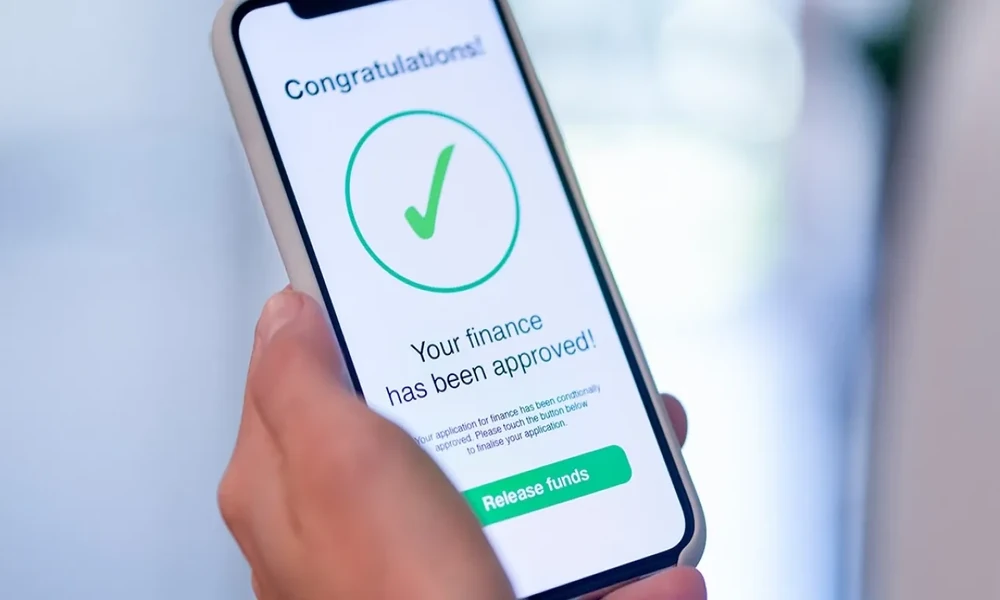
A quick loan app can make borrowing feel immediate. Users may be able to check eligibility, submit information, review an offer, and complete parts of the application process from a mobile device.
That convenience can be useful when a financial need is genuine and time-sensitive.
However, speed can also create a problem if the borrower focuses only on how quickly funds may become available and ignores the longer repayment commitment that follows.
A better approach is to separate urgent access from urgent decision-making.
Does The Expense Really Need To Be Paid Now?
An expense can feel urgent without actually requiring immediate borrowing. Some situations may genuinely demand quick action, such as medical expenses, essential household repairs, unexpected travel or time-sensitive family requirements.
Other purchases may simply seem urgent because they are readily available. Lifestyle upgrades, electronics, non-essential shopping and unplanned entertainment may be possible to postpone.
Before applying, consider what would happen if the expense were delayed by a few days or weeks. If delaying it would have little practical effect, immediate borrowing may not be necessary.
How Much Money Is Actually Missing?
Even when an expense cannot be postponed, the entire cost may not need to be financed through a loan.
Calculate the amount required and then account for savings that can reasonably be used, expected near-term income and the amount that should remain available as an emergency buffer.
The remaining amount is the actual funding gap. Borrowing only that shortfall can reduce both the EMI and the overall repayment cost.
How Much Of Your Savings Can You Use?
Savings can reduce the amount that needs to be borrowed, but using every available rupee may leave little protection against another unexpected expense.
Consider keeping a reserve for medical needs, essential bills, delayed income and unplanned household costs.
The objective is to find a balance between reducing the loan amount and maintaining enough liquidity to handle another financial disruption.
Can The EMI Fit After Essential Expenses?
A quick application does not remove the need to assess monthly affordability.
Compare the proposed EMI with take-home income after considering rent, existing loan repayments, household expenses, insurance and savings commitments.
The repayment should remain manageable without repeatedly cutting essential spending. If the EMI can only be accommodated by sacrificing necessary expenses each month, the proposed borrowing amount may be too high.
What Happens During A Difficult Month?
An EMI may appear affordable when income and expenses remain normal. A stronger test is to consider a less favourable month.
Ask whether the repayment can still be made if income arrives late, an expected bonus does not materialise, medical spending increases or another household expense arises.
If the repayment plan depends entirely on ideal financial conditions, it may leave limited room for unexpected changes.
What Are You Paying For The Convenience?
Fast access to funds can be valuable when a genuine emergency requires immediate payment. However, convenience should be considered alongside the complete borrowing cost.
Review the interest rate, processing fees, other applicable charges, late-payment terms and total repayment amount before accepting the loan.
This allows you to determine the financial cost of obtaining funds quickly rather than focusing only on how fast the money becomes available.
Which Tenure Fits The Repayment Plan?
The EMI displayed by a loan app is strongly influenced by the selected tenure.
A longer tenure can make the monthly repayment smaller, but the extended repayment period may increase total interest. A shorter tenure can reduce the overall interest cost while creating a higher monthly obligation.
Calculate both options before deciding. The suitable tenure depends on whether the resulting EMI can be sustained while keeping the overall repayment cost within a reasonable range.
Is The Speed Worth The Commitment?
A fast personal loan can solve an immediate funding gap, but the repayment obligation continues after the urgent expense has passed.
Before proceeding, consider three things together: whether the expense genuinely requires immediate funding, whether you are borrowing only the amount required, and whether the resulting repayment remains manageable under less favourable circumstances.
This keeps the focus on the complete borrowing decision rather than the speed of receiving the funds.
Keep Broader Borrowing Options In View
Users considering a quick loan app should still understand how different Loans may be structured for different purposes, repayment periods, and financial situations.
An urgent need does not always mean the first available borrowing product is the most suitable.
Depending on the requirement, another form of credit may have terms that better match the expense.
Understanding the purpose of the borrowing can help narrow the options.
Borrow For The Need, Not The Eligibility Limit
A digital lending platform may display a loan amount based on your eligibility. However, the maximum amount shown should not automatically become the amount you borrow.
Base the decision on the actual expense, repayment capacity, existing financial obligations and the emergency buffer you want to maintain.
Borrowing more than necessary can increase both the EMI and total repayment cost without providing any additional benefit for the essential need.
Match Repayment Dates With Your Income
A quick loan still comes with a fixed repayment schedule. Before accepting it, review the first EMI date, monthly due date, number of instalments and final repayment date.
Where possible, choose a repayment schedule that works with your regular income cycle. Salary earners may consider their salary credit date, while borrowers with business income can consider the timing of predictable receipts.
Planning around these dates can make it easier to keep the required balance available.
Know The Cost Of Missing A Payment
Do not wait until a payment is missed to find out what happens next. Review the loan terms for applicable late charges, additional interest, collection follow-up and any possible effect on credit history.
The exact consequences depend on the lender and loan agreement. Understanding them beforehand can encourage timely repayment and reduce avoidable costs.
Keep Early Repayment Options In Mind
Financial circumstances can change after a loan is disbursed. You may receive salary arrears, business receivables, a bonus or another lump-sum payment that could potentially be used to reduce the outstanding balance.
If early repayment is something you may consider, check the loan terms for part-prepayment, foreclosure availability and applicable charges before accepting the offer.
Do Not Turn Short-Term Borrowing Into A Monthly Habit
A quick loan can address a one-time funding gap, but repeatedly borrowing to cover routine expenses can indicate a deeper cash-flow problem.
If loans are regularly being used for groceries, rent, utility bills or ordinary lifestyle spending, review the underlying monthly budget instead of continuing to add new debt.
Repeated borrowing can increase financial obligations and make it harder to correct a recurring shortfall.
Slow Down When The Situation Feels Urgent
Financial stress can make receiving funds quickly seem more important than reviewing the terms. A short pause before acceptance can help bring attention back to the actual borrowing decision.
Check four basic points:
- Is the expense necessary?
- Is the loan amount appropriate?
- Can the EMI fit the budget?
- Is the total borrowing cost understood?
Even a brief review can help prevent an emotionally driven decision.
Treat Digital Security As Part Of The Loan Process
Speed should not mean skipping basic verification. Before submitting personal or financial information, check the app developer, lender details, official customer support channels, terms and disclosures.
Use official and trusted sources for the application. Avoid providing sensitive information through unknown links or informal communication channels.
Keep Authentication Credentials Private
Loan applications involve personal and financial information, so account security should continue throughout the process.
Never casually share OTPs, passwords, PINs or banking credentials with callers, agents or unknown individuals. Requests for confidential authentication details should be treated cautiously.
Continue Monitoring After Disbursal
Receiving the loan amount is not the end of the process. Keep track of EMI due dates, payments made, outstanding balance and remaining tenure throughout the repayment period.
Although the application and disbursal may happen quickly, the financial obligation can continue for months or longer.
Keep A Small Amount In Reserve
Where possible, maintain some money beyond the exact EMI requirement. A small repayment buffer can help if income is delayed, an unexpected expense occurs or there is a temporary timing issue with funds reaching the account.
The purpose of the buffer is simple: a short-term cash-flow disruption should not automatically result in a missed repayment.
Review The Experience After Repayment
Once the loan has been cleared, look back at the borrowing decision rather than treating the experience as complete.
Consider whether the amount borrowed was appropriate, whether the EMI remained comfortable, whether the charges were understood and whether fast access to funds was genuinely necessary.
This review can help identify useful lessons for future borrowing and encourage a more deliberate approach to personal credit.
Conclusion
A quick loan app can be useful when the financial need is real, time-sensitive, and supported by a clear repayment plan.
The speed of the application should not replace basic checks such as calculating the funding gap, understanding total cost, testing EMI affordability, reviewing repayment dates, and confirming lender legitimacy.
The strongest quick borrowing decision is one where the borrower moves fast only after the important financial questions have already been answered.
FAQs
1. When Can A Quick Loan App Be Useful
It may be useful for genuine time-sensitive financial needs when the borrower understands the cost, repayment schedule, and affordability before accepting the loan.
2. Should I Take The Maximum Amount Offered By A Quick Loan App
Not necessarily. Borrow only the amount required for the specific need and ensure the EMI fits comfortably within your monthly budget.
3. What Should I Check Before Accepting A Quick Loan
Review the interest rate, fees, total repayment amount, EMI, tenure, due dates, late payment terms, and early repayment conditions.
4. Can A Quick Loan Be Used For Regular Monthly Expenses
Using repeated borrowing for routine monthly expenses may indicate an ongoing cash-flow problem and can increase financial pressure over time.
5. How Can I Use A Quick Loan App More Safely
Use an official verified platform, protect personal credentials, read all loan terms carefully, and avoid sharing OTPs, PINs, passwords, or banking credentials with unknown individuals.
